


Beans have fed people around the world for thousands of years.
They’re affordable, nutritious, shelf-stable, and incredibly versatile.
But many people avoid cooking them because they’ve heard the warning:
“Beans cause digestive problems.”
Sometimes they can.
But the issue usually isn’t the beans themselves.
It’s how they’re prepared.
One of the oldest kitchen techniques for improving beans is also one of the simplest: soaking them before cooking. But there are others, too.
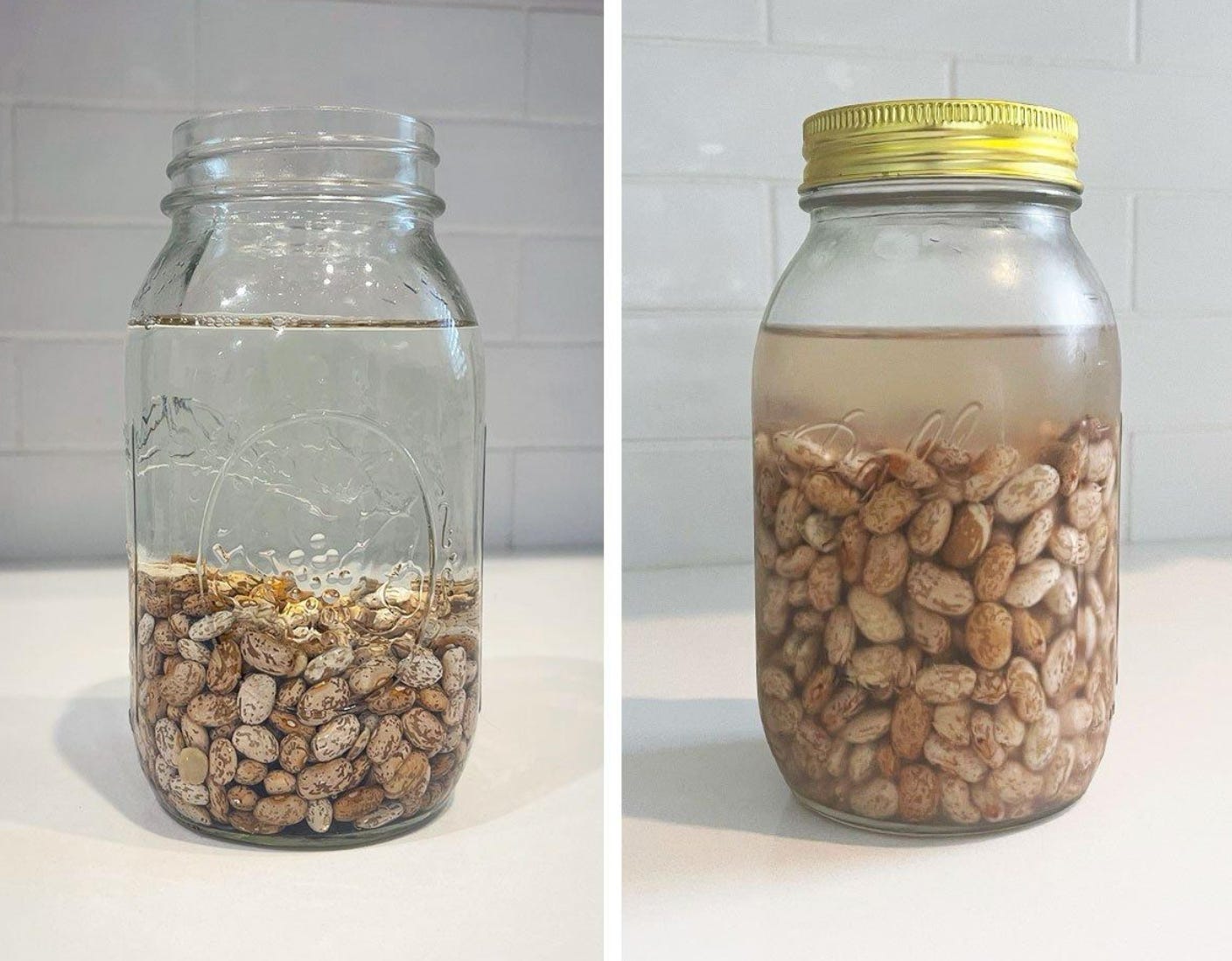
What Soaking Beans Actually Does
Soaking beans changes several things about how they cook and how the body digests them.
The main effects include:
• hydration
• reduction of certain difficult-to-digest carbohydrates
• more even cooking
Each one makes beans easier to cook and often easier to tolerate.
Hydration
(allowing dry beans to absorb water before cooking)
Dried beans are exactly what the name suggests: very dry seeds.
Soaking allows the beans to slowly absorb water before heat is applied.
This hydration helps the beans cook more evenly and often reduces cooking time.
Without soaking, the outer layer of the bean can soften while the interior remains firm.
Reducing Fermentable Carbohydrates
(some sugars dissolve into the soaking water)
Beans contain certain carbohydrates that gut bacteria ferment quickly.
These include sugars such as raffinose, which can contribute to gas and bloating for some people. During soaking, a portion of these carbohydrates dissolve into the water. Discarding the soaking water removes some of them before cooking begins.
This is one reason soaking may help reduce digestive discomfort.
More Even Cooking
(hydrated beans soften at a similar rate)
When beans begin cooking with similar moisture levels, they soften at a more consistent pace.
This reduces the chances of ending up with a pot of beans where:
• some are mushy
• some are still firm
• some have split skins
Proper soaking helps beans cook predictably.
The Kitchen Skill
Soaking beans is simple, but doing it well makes a difference.
Basic method:
Rinse dried beans to remove dust or debris.
Place them in a bowl or pot.
Add several inches of water.
Soak 8–12 hours (overnight).
Drain and cook with fresh water.
This hydrates the beans and removes some fermentable sugars.
Tradition Check:
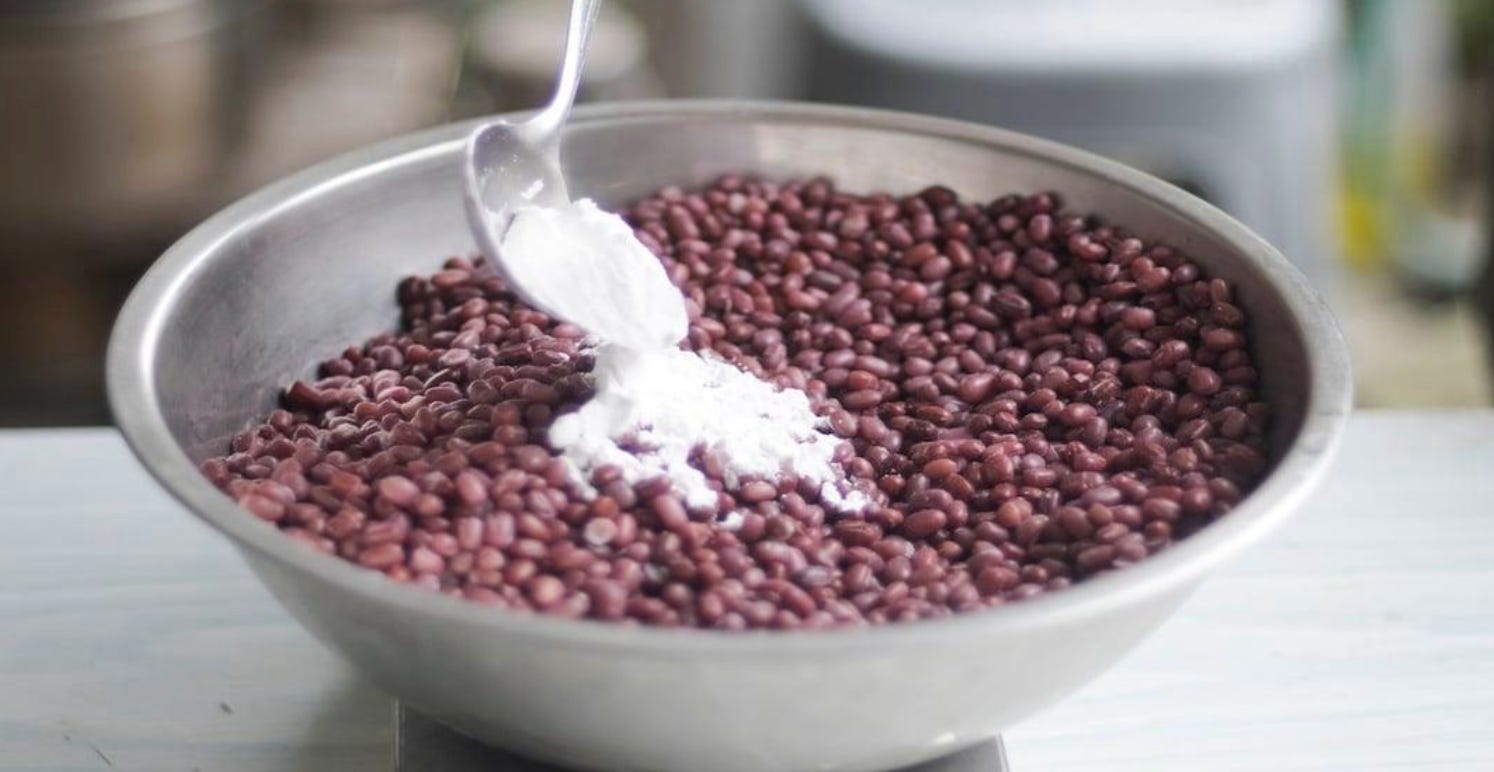
Does Baking Soda Help?
I learned from some Southern U.S. cooks to add a small pinch of baking soda (sodium bicarbonate) to soaking or cooking water. What Im guessing has been a tradition that has been passed on, without many people understanding WHY they do it - they just do.
Well, in this case, tradition wins again because at some point, someone figured out this works because someone likely noticed a pattern. It turns out baking soda makes the water more alkaline (less acidic). Alkaline conditions weaken pectin, a structural substance in plant cell walls (ie. the skins of beans).
When pectin weakens, beans soften faster.
What This Means in Practice
A small pinch may:
• shorten cooking time
• help soften very old beans
• help beans cook more evenly
Trade-offs
Too much baking soda can:
• create a soapy flavor
• make beans too soft or mushy
• reduce some heat-sensitive vitamins
For most everyday cooking, soaking and gentle simmering are enough.
Tradition Check:
Why Digestive Spices Are Used With Beans
Across many cultures, beans are cooked with herbs and spices believed to help digestion.
These spices are known as carminatives.
Carminatives are herbs that help reduce gas formation or help gas move through the digestive system more comfortably.
Examples include:
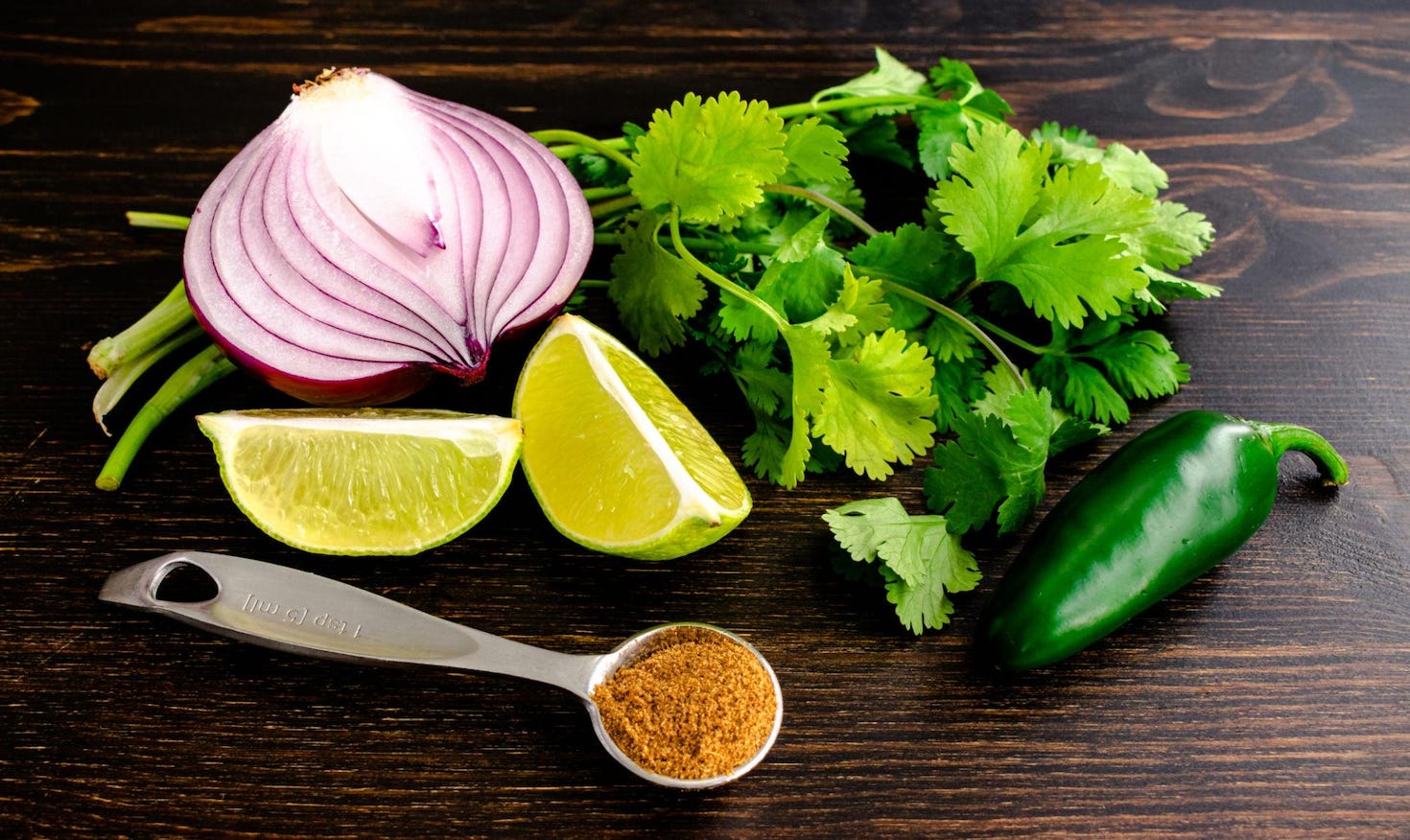
• cumin
• fennel
• coriander
• ginger
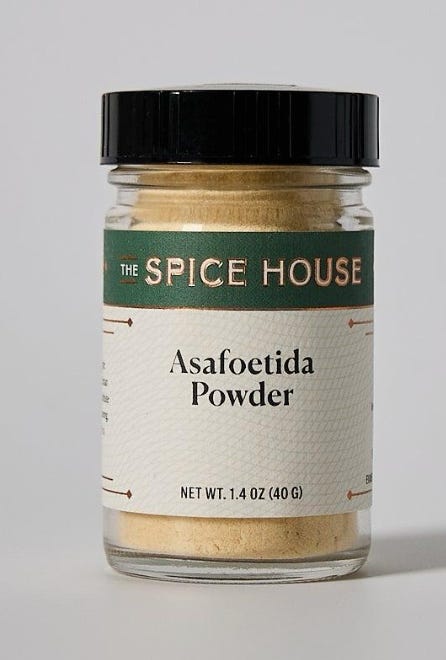
• asafoetida (hing)
• epazote
These traditions developed long before the chemistry was understood.
Today we know many of these plants contain aromatic compounds that interact with digestion.
The Mechanism:
Why These Spices Work
Many digestive spices contain essential oils — aromatic plant compounds that evaporate easily when heated.
These compounds can influence digestion in several ways:
• stimulating digestive secretions
• relaxing intestinal muscle spasms
• helping gas move through the digestive system
This is why spices such as cumin, fennel, and ginger have long been used to support digestion.
Why Heating Spices First Matters
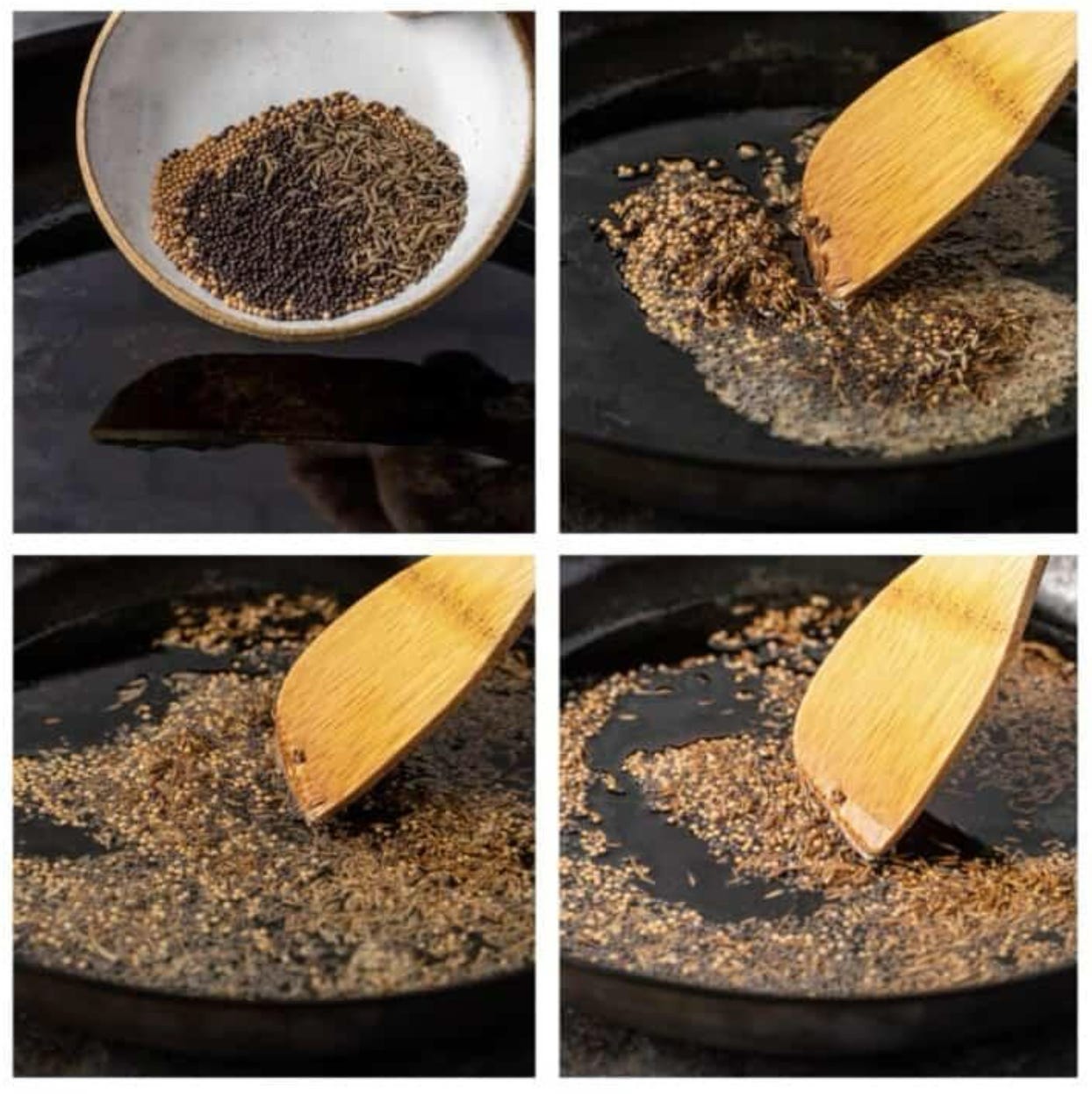
Many of these aromatic compounds are fat-soluble, meaning they dissolve better in oil than in water.
When spices are briefly heated in oil ~ often called blooming spices ~ two things happen:
• heat releases the aromatic compounds from the plant tissue
• oil helps distribute those compounds through the dish
Without heat or fat, some of those compounds remain trapped inside the spice.
This is why many cuisines begin cooking by warming spices in oil before adding other ingredients.
Why Epazote Is Added While Beans Cook
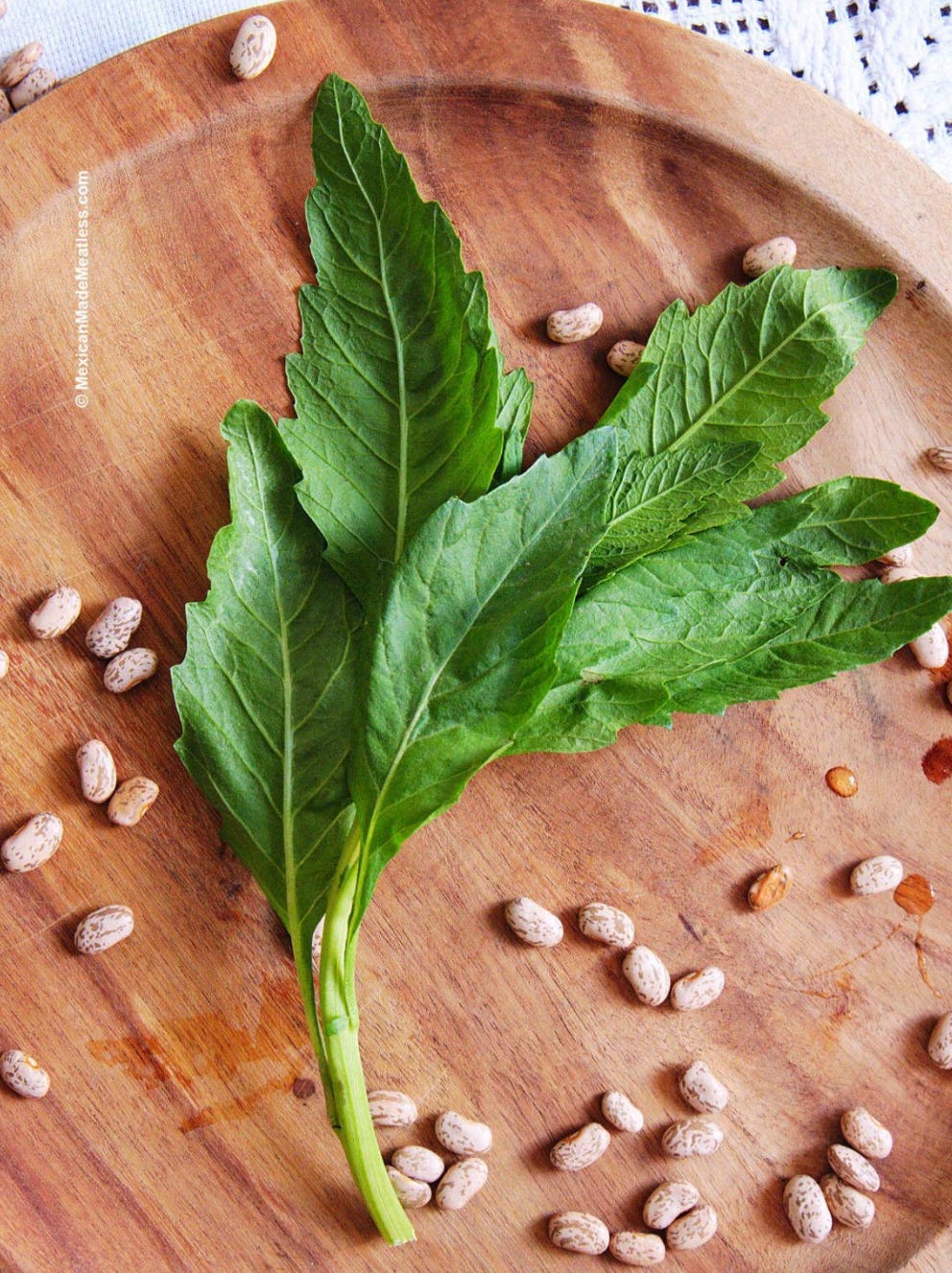
Epazote works slightly differently. This is a nod to my Central American food educators in food trucks where I’ve eaten from the Midwest to Cali to NOLA.
Instead of being toasted first, epazote is usually added directly to the pot while beans simmer. As the beans cook, heat slowly releases epazote’s aromatic compounds into the cooking liquid. These compounds contribute both to the herb’s strong flavor and to its traditional role in bean dishes.
Because the flavor is powerful, cooks typically add only a small sprig or a few leaves.
Practical Bean Cooking Habits
A few simple habits make bean cooking easier and more predictable.
1. Rinse canned beans
Rinsing canned beans can reduce sodium content by up to 40%.
This means that if a can contains a high amount of sodium, rinsing can significantly lower it, making the beans healthier to consume. (case.edu, 2026)
2.Soak overnight when possible
Eight to twelve hours allows beans to hydrate gradually.
3. Use plenty of water
Beans expand significantly as they absorb water.
4. Drain the soaking water
Discarding the soaking liquid removes some dissolved sugars.
5. Cook beans gently ~ or pressure cook them properly
A steady simmer helps beans soften evenly without splitting their skins.
Pressure cooking is another effective method. When timed correctly, pressure cooking can:
• dramatically shorten cooking time
• preserve flavor and texture
• retain many nutrients
• reduce some of the carbohydrates associated with digestive discomfort
The key is proper timing, since overcooking under pressure can quickly turn beans mushy.
Both approaches work well; the choice often depends on time, equipment, and the final texture you want.
Why This Skill Matters
Beans are one of the most affordable and nutritious foods available.
Learning how to prepare them properly turns them into a reliable staple instead of a digestive gamble.
Soaking is a small step, but it improves:
• cooking consistency
• texture
• digestibility
Like many traditional cooking techniques, it turns out there is solid science behind the habit.
Next up…
Beans are only one example of how preparation techniques shape digestion, texture, and flavor.
Another common cooking question involves why certain foods makes you feel bad, but you know it’s not an allergy. Food behaves differently in some bodies depending on how its prepared, age of product, and how much of it you consume per sitting.
In the next post, we’ll look at FODMAPS and cooking ~ and why WHAT you eat, is as important as how MUCH you eat, as well as HOW it was prepared.
Because sometimes the smallest pause in the kitchen produces the biggest change on the plate.
Here’s to your happiness, good health, and being well-fed,
Dr. Sunshine Best | ChefDocShine
Applying lessons from lived experience while translating the science behind everyday cooking so anyone can understand why it works.
REFERENCES
Case Western Reserve University. (2025, June 9). Nutrition’s Lindsay Malone explains that rinsing canned beans reduces sodium content by up to 40% and may lower gas-causing carbohydrates | CWRU Newsroom | CWRU Newsroom | Case Western Reserve University. https://case.edu/news/nutritions-lindsay-malone-explains-rinsing-canned-beans-reduces-sodium-content-40-and-may-lower-gas-causing-carbohydrates